

Fresh arrivals, limited quantities.
Loading cart…
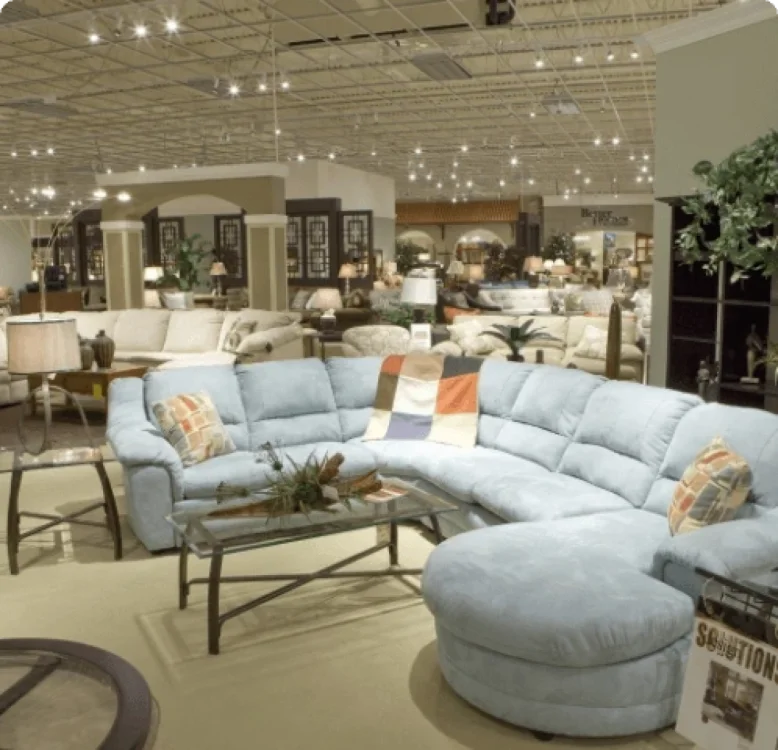
Walk into a truly Kenyan home and you will almost always find it — that burst of pattern, colour and life that sets it apart from any generic showroom. Kitenge, kanga, ankara and other African printed fabrics have been woven into the identity of East African homes for generations, and their place in interior design is not just culturally significant — it is aesthetically compelling in a way that no imported fabric can replicate.
For too long, many Kenyan homeowners — particularly those inspired by Western interior design trends — have shied away from using African fabrics in their homes, treating them as something too "busy" or "traditional" for a modern space. This is a mistake. Used with intention and confidence, African fabrics bring joy, warmth and a sense of belonging to any room.
The simplest and most cost-effective way to incorporate kitenge is through cushion covers. A neutral sofa — grey, cream, or charcoal — becomes a completely different piece of furniture when layered with three or four cushions in bold, geometric African prints. Mix patterns fearlessly: an oversized geometric print with a smaller tribal pattern and a solid-coloured cushion in one of the accent colours is a perfectly composed combination.
You can buy ready-made kitenge cushion covers at craft markets across Kenya, or have them made to your specifications at any tailor for a few hundred shillings each.
The dining table is a natural canvas for African fabric. A kitenge table runner down the centre of a wooden dining table immediately brings warmth and personality to meal times. Coordinate matching placemats for a considered, layered look. Change the fabric seasonally — a cooler green-and-gold palette for the rainy season, warm terracotta and rust for the dry months.
For the adventurous decorator, having a single armchair or dining chair reupholstered in kitenge fabric creates a genuinely unique piece of furniture. Choose a chair with a simple, classic silhouette so that the fabric is the star. A mid-century style armchair covered in a bold indigo and white geometric print is an extraordinary piece that no money can simply buy off a shelf.
One of the simplest, most impactful and most affordable approaches to decorating a wall is to stretch a large piece of beautiful kitenge fabric over a canvas stretcher frame. The result looks deliberate, contemporary and deeply personal. A set of three matching frames in different sizes, each with a coordinating fabric from the same colour family, creates a gallery wall that is uniquely Kenyan.
A plain white or beige lampshade can be given an entirely new character by wrapping it in a layer of kitenge fabric. The patterned fabric filters the light to create warm, dappled shadows that add atmosphere to any room. It is a five-minute DIY project that costs almost nothing.
For the truly committed, full-length kitenge curtains make a dramatic and beautiful statement. Use a bold print for a bedroom or home office feature wall where you want maximum impact. For a living room, consider using kitenge as a sheer layer behind plain linen outer curtains, so the pattern shows when backlit without overpowering the room.
A kitenge throw draped across the foot of a bed adds colour and texture while celebrating craft tradition. Coordinate it with plain bedding in one of the colours pulled from the fabric pattern for a composed, intentional look.
Comments (3)
Muthoni Njoroge
March 02, 2026The coastal vibes section really spoke to me. I grew up in Mombasa and always miss that breezy, relaxed atmosphere. Cannot wait to try the sheer curtains idea in my Nairobi flat.
Kipchoge Rotich
February 12, 2026The coastal vibes section really spoke to me. I grew up in Mombasa and always miss that breezy, relaxed atmosphere. Cannot wait to try the sheer curtains idea in my Nairobi flat.
Juma Mwenda
February 02, 2026Thank you for the eco-friendly homes article. We installed a rainwater harvesting system last year and it has genuinely been life-changing, especially during the dry season.
Leave A Comment